

Phishing and fraud
INCIBE warns of two scams that take over WhatsApp accounts to ask their contacts for money
· 3 min read
Attacks on SMEs are rarely like the movies: they come through an email, a reused password, a supplier or an outdated program. These are the 16 most common threats, sorted by the door they come through.
Each card explains how it happens, how to spot it and how to protect yourself. Click one to open it.
Tricking people
They try to get someone on the team to click, pay or hand over information.
Accounts and access
They exploit poorly protected passwords, permissions and devices.
Software and systems
They get in through technical flaws or lock up your computers.
Data and third parties
They expose your information or use your name from the outside.
If you notice any of these, don't ignore it: it's almost always easier to fix the sooner it's spotted.
Free first call, no commitment
Emails in "sent" that nobody wrote, or contacts receiving odd messages from your account
Sign-in alerts from places or devices you don't recognise
Files that won't open or have strange extensions
Rushed, secretive requests for payments or account changes
Programs or extensions nobody remembers installing
Clients asking about emails or invoices you never sent
 01
We check how an attack could get into your company, pentest included, and tell you what to fix first.
See the audit 02
We prepare your team to recognise the scams that affect it most, tailored to your company.
See the courses 03
Ongoing support so the doors stay closed over time.
See the plansRecent cases and alerts related to the risks on this page, with what to do about each one.
Phishing and fraud
· 3 min read

Vulnerabilities
· 3 min read

Vulnerabilities
· 3 min read
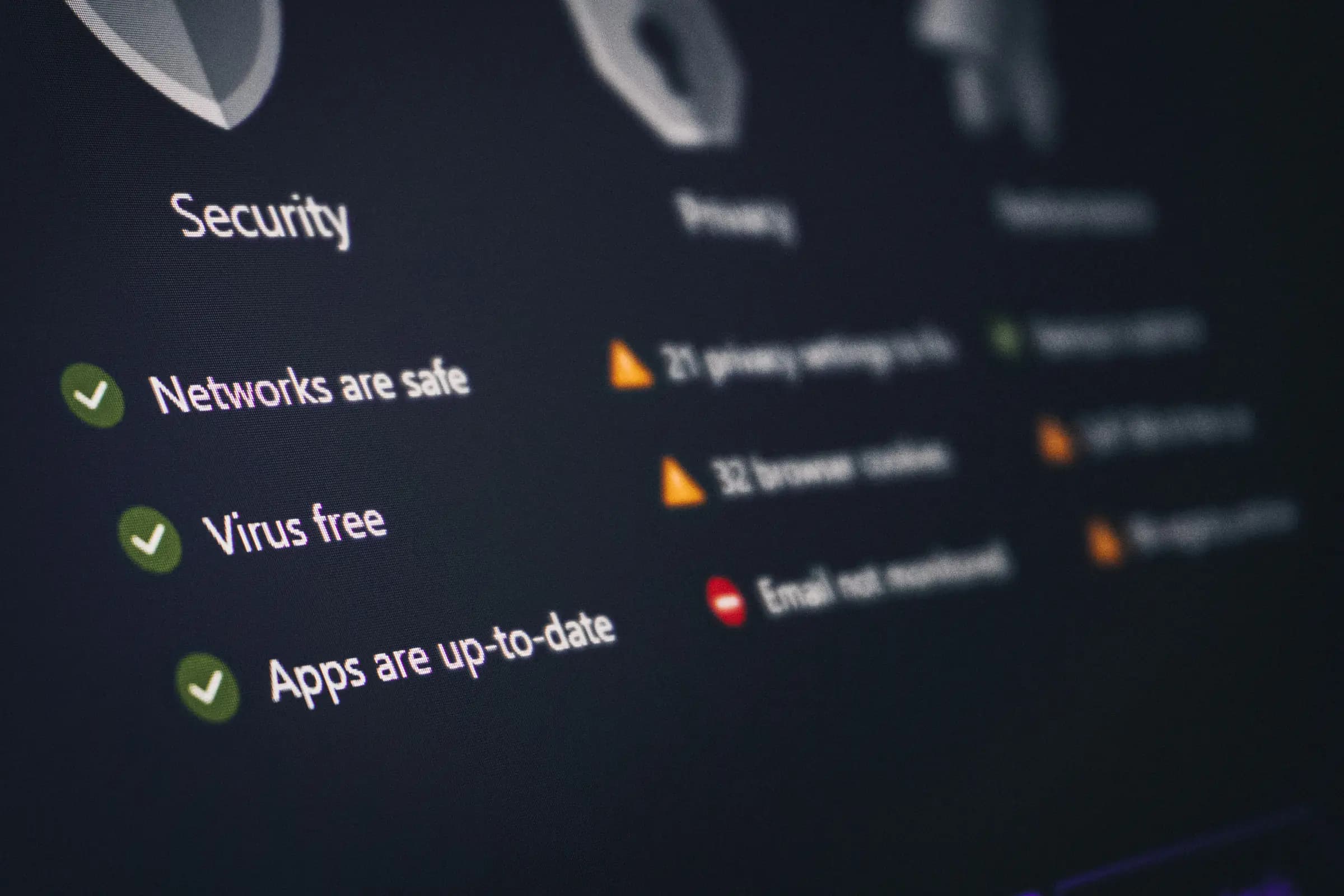
Take the cybersecurity test and discover your exposure level in 3 minutes. You'll get your score with the highest-risk areas, no sign-up required.
FreeNo sign-up3 minutes